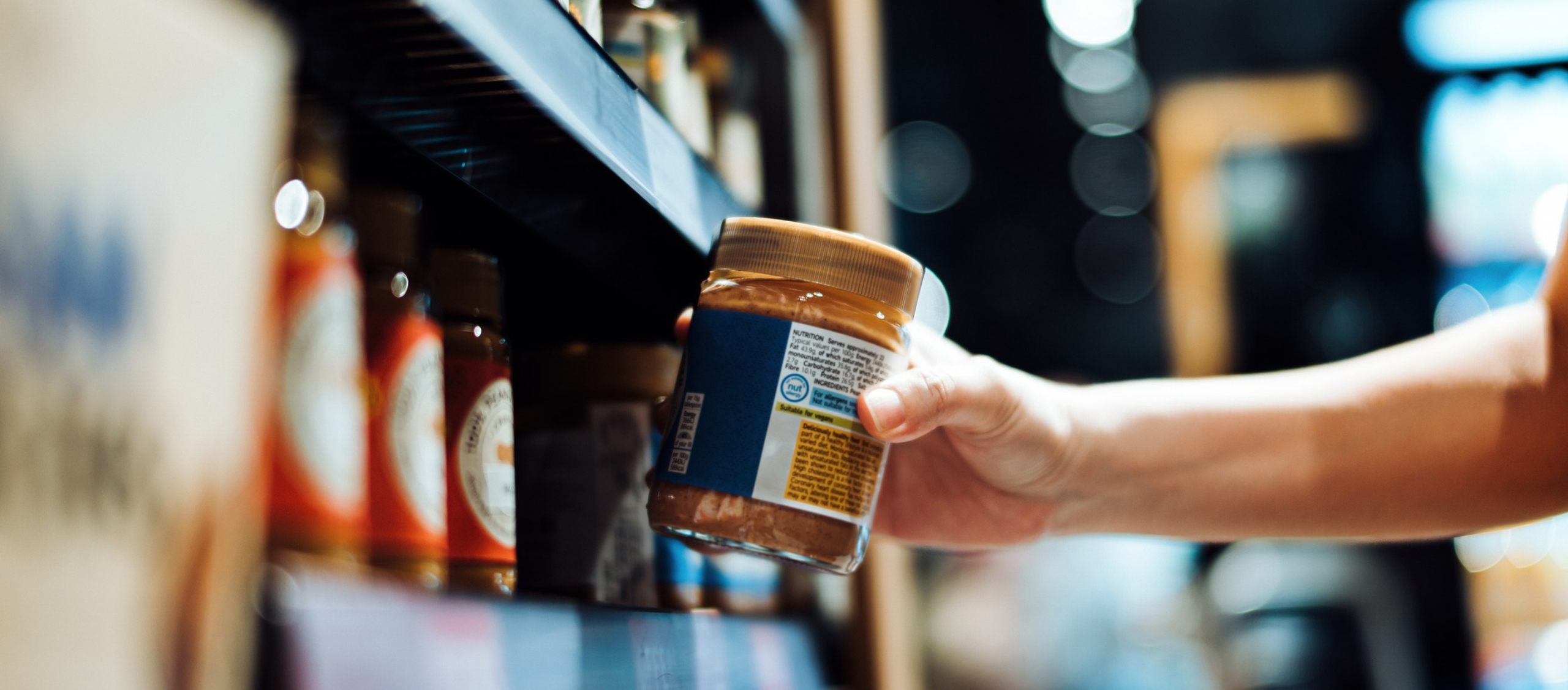
For CPG companies, the private label market is a major area of opportunity. Not just from the initial order, but year over year the potential for expansion compounds. Between 2024 and 2025 private label retail sales increased by more than $9 billion. That rapid growth changes the way manufacturers think about their packaging and the partners they work with.
It’s no longer about who can tick all the capability boxes to handle today’s order. To establish and maintain a strong relationship with your retailers, you need a packaging supplier who can see beyond the first order and even the first year. It’s a level of partnership that doesn’t show up in a capabilities deck. You need to dig deeper to understand how their team shows up and performs as retailers add SKUs, shift specs and timelines, and increase orders.
Enter packaging conversations with year three in mind.
Most quote requests open the conversation with one package. One size, one substrate, one annual volume estimate. Chances are your private label program will outgrow that snapshot fairly quickly. For retailers, your store-branded product is a growth engine. Some of the largest companies launch these items hundreds at a time just to keep up with consumer demand. You’ll want to make sure your packaging partner isn’t the bottleneck that keeps you from being part of this growth.
As you begin the custom packaging partner selection process, sit down with your sales and operations teams to sketch out the full picture of how your private label program may scale in the coming months and years.
Specs: Your retailer has likely given you a set of requirements for the packaging. Format, artwork, compliance labeling, etc., all set the baseline.
SKU pipeline: Determine if there is opportunity to expand into other SKUs as demand grows and what flavors, sizes, and packaging formats may follow the first order.
Launch rhythm: Once you understand which SKUs your retail buyer may be looking to add, map them back to a schedule. Can you plan ahead for seasonal items or do you need to be prepared to respond to emerging trends.
Demand swings: As much as you strategize for what’s next you can’t always predict consumer buying behavior. Think about how you might need to absorb a last-minute order after a strong quarter or a reduced run following a slow season.
These discussions inform the brief as you review your candidates.
Meet the people behind the partnership.
Samples, proposed production timelines, and cost estimates tell you if a packaging supplier can take on your job from a technical and budget standpoint. But none of this reveals what it’s like to actually work with the humans who fulfill your orders.
Establish the main point of contact responsible for addressing any issues that inevitably arise. How can you reach them? How quickly can you anticipate a response? This paired with their own curiosity can tell you a lot about how well they’ll be able handle the unexpected.
Throughout the evaluation process are they asking questions about your retailer and providing insights and solutions based on past experience? Their quote should be a thoughtful response to the goals and challenges both you and your retailer are navigating, not just a yes or no answer to “can you do the job?”
Private label programs are a three way partnership. Your retailer is just as much our client as you are. The more we know about who they are and what they expect from your relationship, the better we can protect that relationship with the right packaging strategy.
Plan for the pivot.
Private label programs seldom follow the forecast beat for beat. You have to be ready for the moment a retailer calls with a request to double the order and move the ship date up. Or when another product in your portfolio catches the eye of your buyer in October and they want it repackaged and ready for holiday shoppers.
We tell procurement teams to throw us a curveball as part of the RFQ. From prototyping to digital printing, we’re ready to use all the tools at our disposal to hit the targets, even as they’re moving.
As you evaluate the potential packaging team, run a few of scenarios by them and see how they’d respond. Their ability to adapt depends on both the agility of your core team and the flexibility of the operation itself.
Consider the growing complexity.
Your packaging partner should help you navigate your success as adeptly as they weather the surprises. Because with success comes added complexity. Bigger runs, more reorders, growing portfolios, additional sizes and formats all demand more from your packaging.
Our longest standing private label programs look nothing like they did on day one. But the relationship itself never changes. Clients should have the same level of expertise and support in every phase of their growth.
Ask prospective candidates to walk you through a client partnership that scaled alongside an expanding private label offering. Listen for how they ensure consistency across repeat runs and potential substrate supply chain issues. Have them describe their ability to handle formats beyond those they’re running at the start of the relationship. Discuss how they plan to continue to support your program for the long haul and whether or not they foresee the team changing as you grow.
7 key questions.
This might sound like a lot to keep track of, but it can all be boiled down to a handful of key discussion points. Use these to guide your evaluation.
- Can you walk me through a typical private label packaging program and how you help clients meet retailer requirements?
- Who will I be working with on a day-to-day basis and what value do they bring to their partnerships?
- What would be your recommendation for a product line I’m not sure how to approach from a packaging perspective?
- What formats do you offer and what role do they play in scaling a private label offering?
- Explain how you maintain consistent color and print quality across runs and formats.
- What strategies do you have in place to help clients address quick turns and timeline changes?
- Tell me about a time when you took a client from one SKU to a whole portfolio of private label products.
How a custom packaging company addresses each of these will start to reveal if they are simply a supplier or a partner ready to help you scale a successful private label program well beyond year one.
Share This Story, Choose Your Platform!
Ready to get started?
Ready to get started?
Call 920.280.1282 or fill out this form and you’ll be in touch with a packaging expert in under 24 hours.
Call 920.280.1282 or fill out this form and you’ll be in touch with a packaging expert in under 24 hours.