The grocery cart has changed in more ways than one. What used to be dominated by household names like Frito-Lay and Heinz now includes a healthy mix of store brands that consumers actively seek out. Private label products are no longer the budget compromise you grab when the name brand is out of stock. They’ve become brands in their own right.
This shift didn’t happen by accident. Private label brands have realized what national brands have known all along: packaging is often the first and most important brand touchpoint. And no wonder! In a world where today’s packaging has less than 2 seconds to capture a shopper’s attention, the packaging must immediately signal that what’s inside is just as good – or better – than the category leader sitting right next to it on the shelf.
45% of shoppers prefer buying from retailers that offer premium packaging, associating it with product quality, better value, and a more thoughtful, enjoyable unboxing experience. The question isn’t whether private label brands should invest in premium packaging. It’s how to do it strategically.
Why Private Label Brands Are Rethinking Packaging
Think about Target’s Good & Gather, Trader Joe’s product lines, or Costco’s Kirkland Signature. The packaging from these brands isn’t trying to look like knockoffs of national brands. They’ve developed distinct identities that resonate with consumers on their own merit. The packaging feels elevated, intentional, and aligned with specific values – whether that’s organic ingredients, artisanal quality, or straightforward simplicity.
This evolution has been accelerated by education from industry associations and a growing understanding among brand managers that packaging isn’t just functional. It’s strategic. Startups and emerging Consumer Packaged Goods (CPG) brands are already thinking this way from day one, asking themselves: “How do I stand out? What makes me different on the shelf?”
Private label brands are catching up fast, realizing that premium packaging isn’t a luxury – it’s table stakes for competing with established players.
How Packaging Communicates Premium Quality
Premium packaging isn’t about throwing every available finish at a package and hoping something sticks. Rather, it’s about using tactile and visual elements strategically to create an experience that matches – or exceeds – what consumers expect from the product inside.
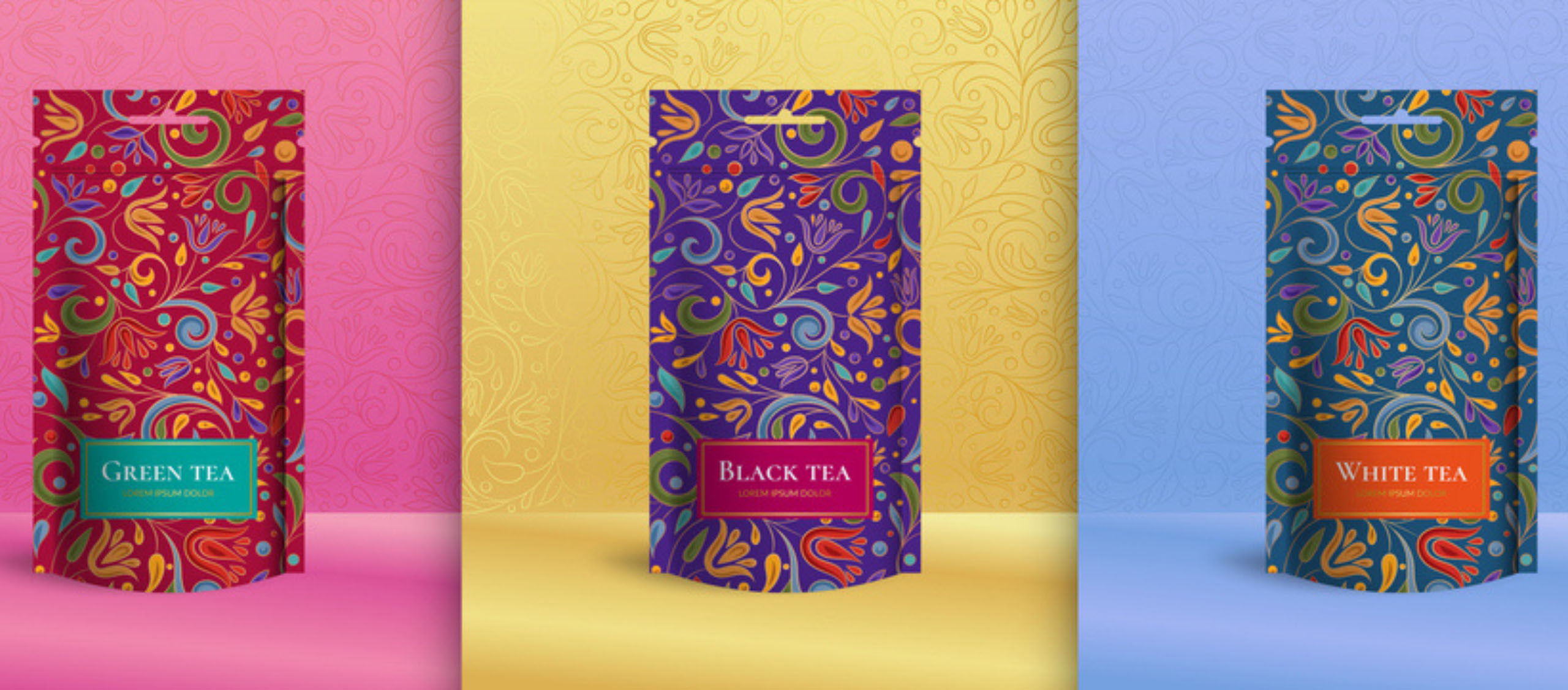
Soft-touch coatings give a package a luxurious feel the moment someone picks it up. Embossing adds dimension and signals craftsmanship. Metallics, whether achieved through material choice or ink, catch light and draw the eye. Material selection matters too – high-clarity films work when you want to showcase the product, while matte, natural-feeling substrates communicate authenticity and simplicity.
The key principle? Less is more. The brands that stand out aren’t the ones using every finish available. They’re the ones using just the right finish in just the right place.
This is especially critical in e-commerce, where consumers can’t touch and feel the product before buying. When that package arrives at their door, the physical experience should confirm what they expected based on the product photos and description. If the packaging feels cheap or flimsy, it undermines the entire brand promise – even if the product inside is excellent.
Things to Watch Out For
The most common mistake? Too much. Too many finishes. Too many messages. Too many trendy design elements all competing for attention.
The brands that succeed are the ones that focus on what works for them. They prioritize one or two key messages instead of displaying every possible claim onto the front panel. They understand that consumers have about two seconds to process a package and make a decision, and they design accordingly.
Another critical consideration is scalability. A design that looks incredible as a single prototype needs to translate just as well when printed at scale across 100,000 impressions. This is where working with an experienced packaging partner matters: they can flag potential issues early, before they become expensive problems on press.
Building a Premium Packaging Strategy That Scales
Recently one of Belmark’s private label customers came to us with a functional package that worked fine, but was not getting the sales they were hoping for. It disappeared on the shelf next to competing products. They were also facing a demographic challenge – their core customer base was aging, and they needed to attract a younger audience without alienating existing loyal customers.
Through focus groups with their target consumers, they identified opportunities to refresh the design and introduce premium finishes that would signal elevated quality. The packaging transformation became part of their broader rebrand strategy, and they viewed any incremental packaging investment as directly tied to increased sales velocity.
This is the mindset shift that separates private label brands that thrive from those that stagnate. Premium packaging isn’t a cost center – it’s a brand-building tool that drives consumer perception, purchase decisions, and ultimately loyalty.
When evaluating packaging suppliers for premium private label work, brand managers should be asking questions like:
- How can we scale as we grow?
- What options exist to elevate the look without overcomplicating fulfillment or creating equipment compatibility issues?
How does this packaging perform across different sales channels – retail shelf, e-commerce fulfillment, direct-to-consumer, etc.?
- What sustainable materials support our brand values and consumer expectations?
These aren’t afterthoughts. They’re foundational questions that determine whether your packaging strategy can support long-term growth.
Knowing Your Consumer Shapes Every Decision
Premium packaging starts with an understanding of what your consumer values. Is organic certification critical? Do they care about gluten-free claims? Are they drawn to heritage storytelling or clean, minimal aesthetics? The answers shape everything from material selection to message hierarchy to the specific finishes you choose.
Store placement also plays a role in perception. Products placed in dedicated organic sections or positioned next to category leaders like Heinz benefit from association. But that placement is expensive and competitive. Your packaging has to work hard to justify that shelf space and convert browsers into buyers.
FAQs About Premium Packaging for Private Label Brands
Start with consumer research. Focus groups, A/B testing with prototypes, and studying successful competitors in your category all provide valuable insight. The goal is to identify which tactile or visual elements resonate most with your target demographic.
Absolutely. Modern printing technologies, particularly digital printing, allow for smaller run sizes that make premium features accessible without requiring massive inventory commitments.
Work with a packaging partner who handles multiple formats under one roof. Color consistency across labels, flexible packaging, and folding cartons requires rigorous color management systems and expertise in how different substrates and printing methods affect final appearance.
Moving Your Private Label Brand Forward
Private brands are brands. They deserve the same strategic thinking, design attention, and production quality as any national category leader. The packaging is where that brand promise gets made—and either kept or broken—in the consumer’s hands.
If you’re ready to elevate your private label brand through strategic packaging, Belmark’s team can walk you through the process from concept through full-scale production. We work with private label brands at every stage, from initial launch through national retail expansion, handling labels, flexible packaging, and cartons with the same attention to quality and consistency.
Let’s talk about where your brand is headed. Get in touch with our team to explore how premium packaging can differentiate your private label products and drive long-term brand equity.
Share This Story, Choose Your Platform!
Ready to get started?
Ready to get started?
Call 920.280.1282 or fill out this form and you’ll be in touch with a packaging expert in under 24 hours.
Call 920.280.1282 or fill out this form and you’ll be in touch with a packaging expert in under 24 hours.