Short on time? Jump to the Key Takeaways.
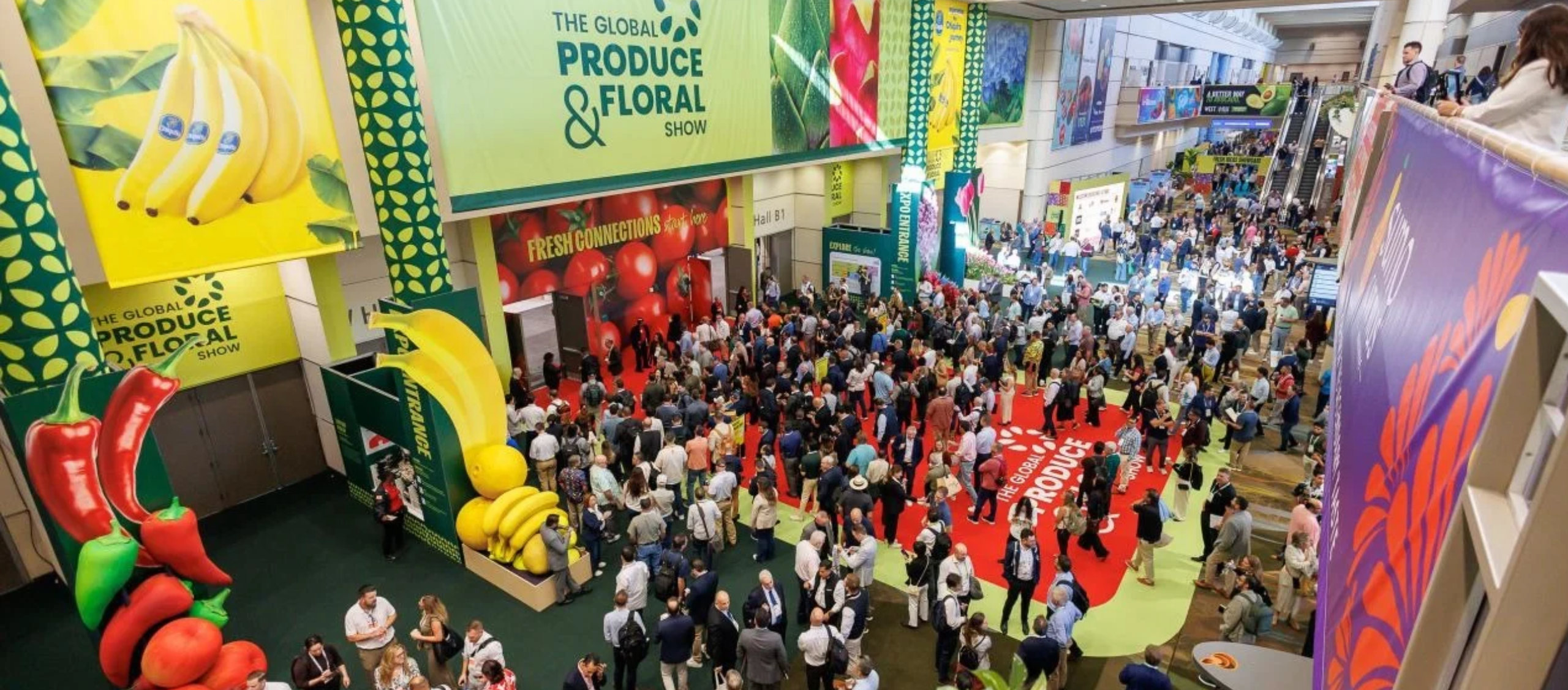
After a few days of conversations on the IFPA 2026 show floor, the same four themes kept coming up with growers and packers.
Shelf quality, sustainability rules, value-added products, and the number of people it takes to launch new packaging all shaped what brands asked us about.
Here’s what we heard, and what it means if you’re planning produce packaging right now.
Why are shelf quality and shelf presence still top of mind for produce brands?
Growers and packers still want produce that stays fresh longer, wastes less, and looks good when a shopper reaches for it. Better shelf quality means less product thrown out before it sells, and a package that holds up in the case is also the one that gets picked up first.
Pressure sensitive labels and flexible packaging both play a part here, and so do the folding cartons that hold a product together on the shelf. Belmark has no order minimums, so a grower can try a new format on one item before rolling it out across a whole season.
How is EPR shaping packaging decisions?
Extended producer responsibility (EPR) rules are pushing sustainability from a nice-to-have into a planning requirement. Brands told us they’re weighing recyclability, post-consumer recycled (PCR) content, and material choices together, and they want to know whether a new package will run on the equipment they already have.
Sustainable packaging options exist across all three of our formats, from tru-IMPACT® responsibly sourced and PCR materials to eco-READY™ recyclable options. The right fit depends on your goals, and a packaging expert can help you sort that out before you commit to a material.
Why are value-added produce items driving new packaging needs?
Ready-to-eat, ready-to-cook, and portion-controlled products keep growing, and they ask more of the package than a standard bag or clamshell does. Many of them pair resealable film with a tray, and those trays come in molded fiber, paperboard, aluminum, and plastic.
That means the film and the tray need to work as one package. Belmark’s total packaging solutions include pressure sensitive labels, flexible packaging, and folding cartons, so you can plan the whole package with one team instead of coordinating each piece separately.
Why does collaboration matter for a successful packaging launch?
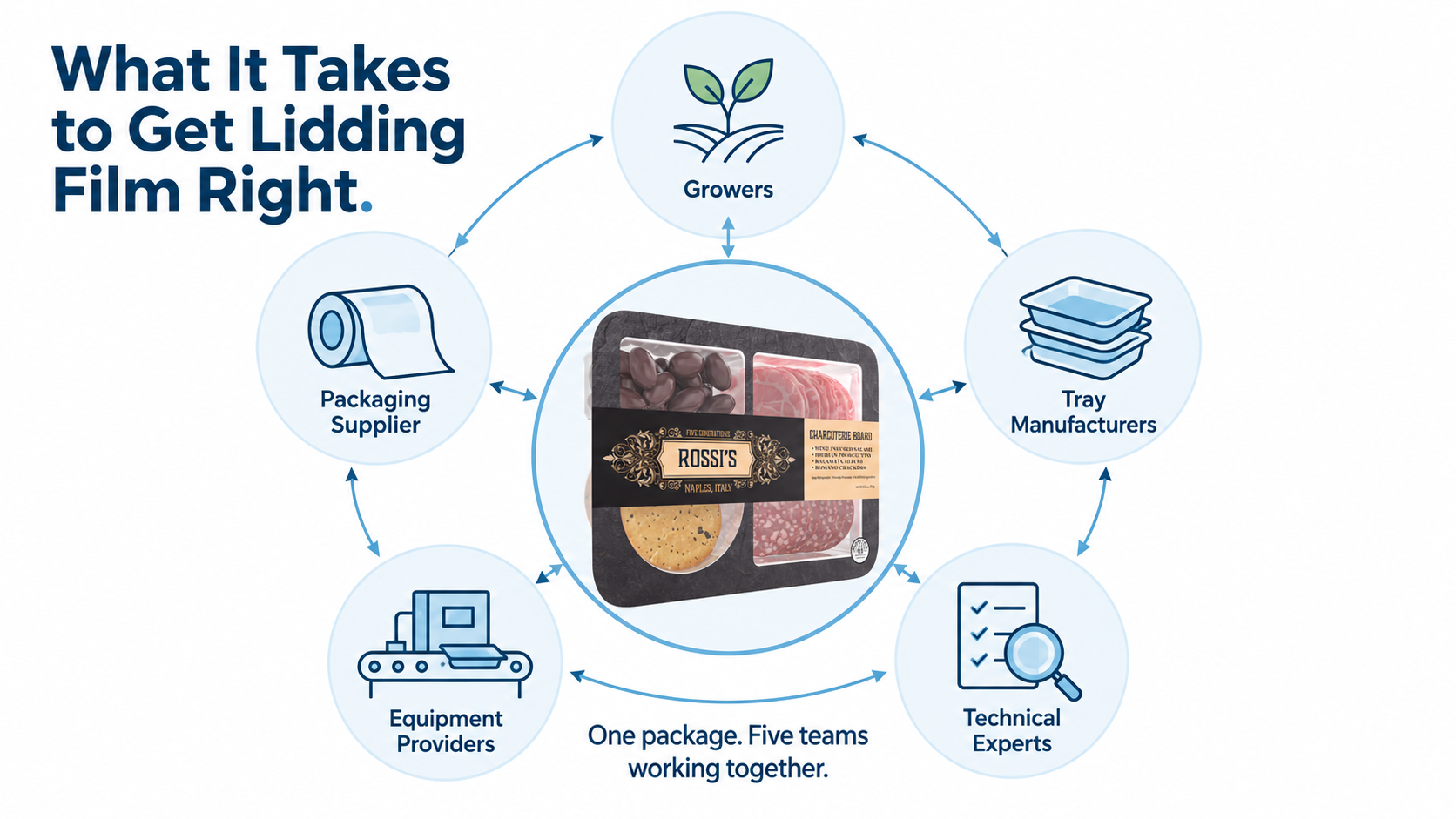
Switching to a new packaging format usually involves more people than brands expect. Growers, packaging suppliers, tray manufacturers, equipment providers, and technical experts all have a say, and a missed conversation early on tends to show up as a delay later.
We think of ourselves as a packaging partner, not a vendor, so we’re happy to be in that room from the start. Getting everyone aligned early is also how brands move quickly, and speed-to-market is something we care about as much as you do.
Planning produce packaging for the next season?
If any of these themes sound like what’s on your desk, we’d like to hear about it. Talk to a packaging expert and we’ll help you figure out where to start.
Share This Story, Choose Your Platform!
Ready to get started?
Ready to get started?
Call 920.280.1282 or fill out this form and you’ll be in touch with a packaging expert in under 24 hours.
Call 920.280.1282 or fill out this form and you’ll be in touch with a packaging expert in under 24 hours.