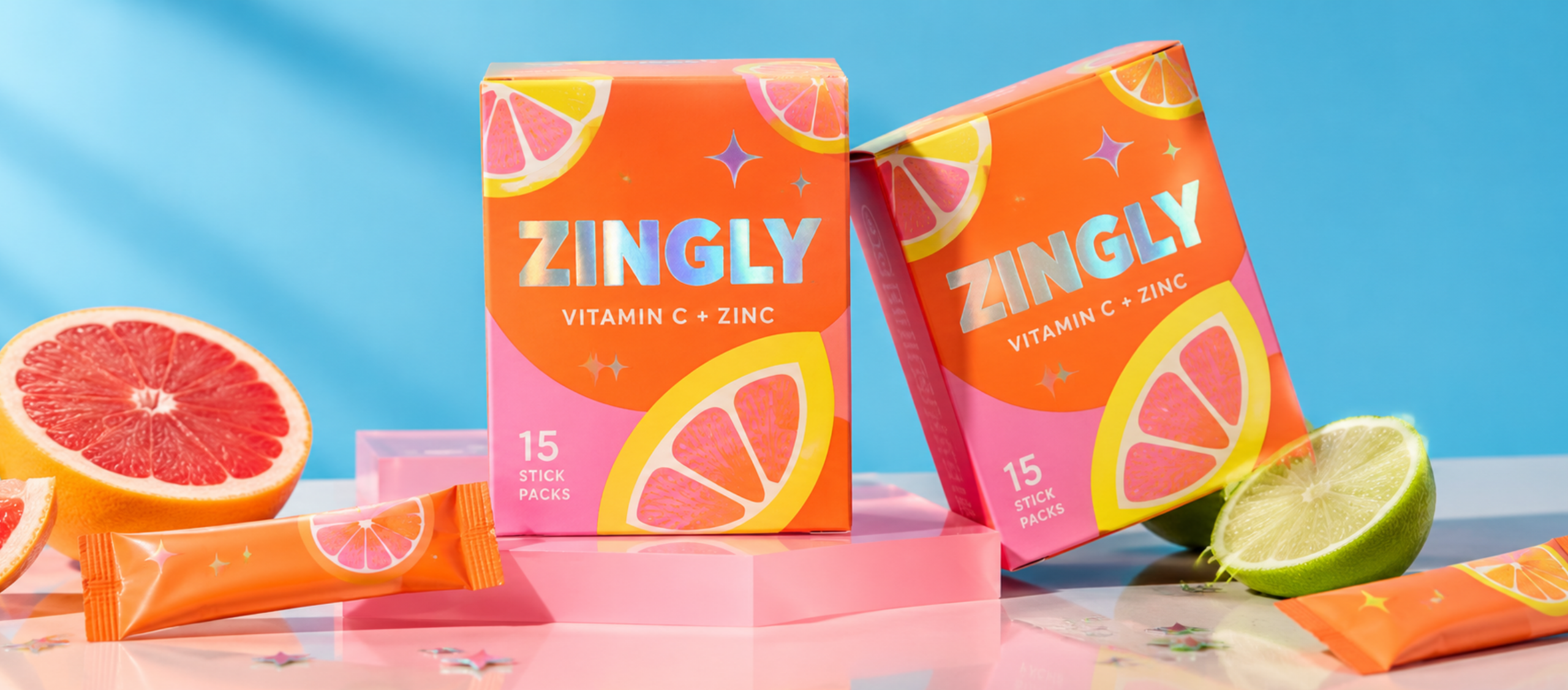
A practical guide for supplement, health and wellness brands, from the folding carton team at Belmark.
A nutraceutical folding carton is a printed paperboard box that carries your product from the production line to the shelf and into your customer’s hands. In most cases it’s secondary packaging, so it holds a bottle, a jar, a pouch, or a stack of stick packs rather than touching the product itself.
A single bottle of capsules, a box of 30 stick packs, and a tray of protein bars all need something different from their carton, and the best way to choose is to start with how each product will be sold. This guide walks through the most common carton styles for nutraceutical brands, what each one is good at, and the questions worth answering before you lock in a design.
What a folding carton does for a nutraceutical product
A folding carton starts as flat paperboard. It gets printed, cut, folded, and glued into the box you see on the shelf, and from there it does a few jobs at once.
It protects the primary package on the way to the store. It turns individual items into a buying unit, so a shopper can pick up a week’s worth of stick packs instead of one. And it gives you far more room to tell your story than a bottle label alone, with space for your brand, your claims, your directions, and the information your category expects to see.
Sometimes a carton holds just one item. A single bottle of a premium supplement often goes into a carton because the carton elevates it. The customer picks up something that feels more substantial, more finished, and more worth the price on the tag. We like to call that dressing up the product, and in a category where shoppers are deciding whether to trust what’s inside, it carries real weight.
So the first question isn’t which style you want. It’s whether this SKU needs a carton at all.
Does every nutraceutical SKU need a carton?
No. Whether you need one depends mostly on where the product is sold.
If you’re selling direct from your own website, your bottle or pouch may ship in a mailer and never sit on a shelf, so a carton can be optional. If you’re headed into a retail chain, a wellness boutique, or a grocery store, the picture changes. Retailers have shelf allocations to fit, shoppers are comparing you against everything around you, and a loose bottle has a lot less room to make its case.
Most brands aren’t adding cartons for the sake of it. There’s nearly always a reason behind one: the product needs protection, a retailer expects it, small items need to be grouped, or the brand needs more billboard space than the primary package can give. If you can name your reason, choosing a style gets much easier.
It also helps to know where the carton sits in the bigger picture. Your product ships in a master case, which may hold inner cases, which hold the units a customer actually buys. The folding carton is usually that last layer, the one a shopper touches, and that’s why it’s worth getting right.
Why stick packs and sachets changed the carton conversation
For a long time, nutraceutical packaging meant a bottle with a label or a pouch of powder. That’s still a big part of the category, but more and more supplements now come in single-serve film formats.
A stick pack is a slim, single-serve pouch made to tear open easily so the customer can pour it straight into a water bottle. Hydration mixes, electrolyte powders, and pre-workouts often come this way. A sachet is a small pillow or fold-over pouch, closer to a sugar packet, and it works well for a one- or two-count serving of gummies or a powder sample.
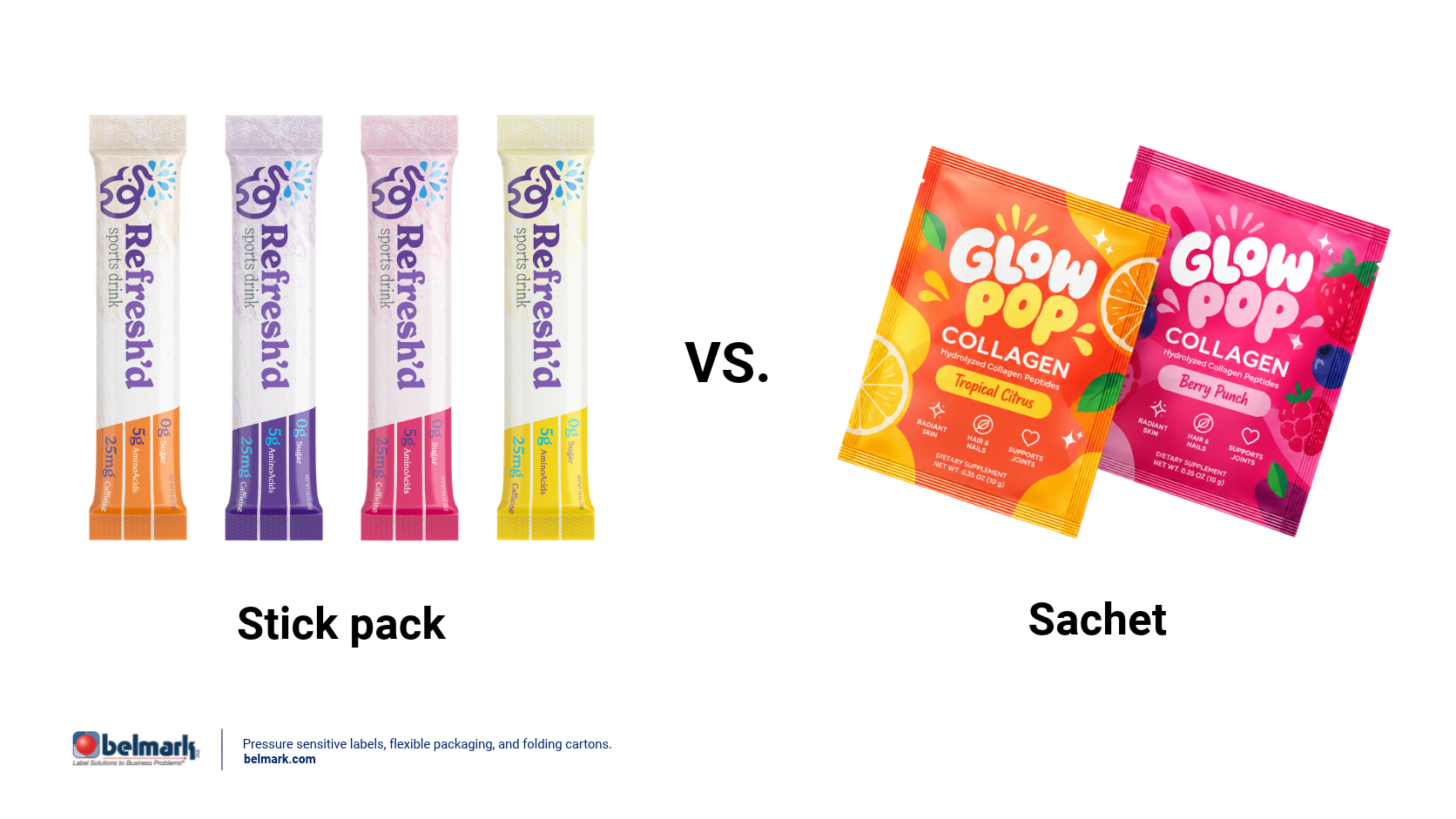
Both formats are great for the customer and tricky at retail. A single stick pack can’t stand up on a shelf by itself, and a pile of them on a counter isn’t much of a display. That’s where the folding carton comes in. It groups the singles into a sellable count, keeps them organized, and in many cases opens up into its own display, so the carton is doing the merchandising for you.
If your lineup is moving toward film, your carton strategy should move with it.
Common carton styles, matched to the SKU
Folding carton terminology varies quite a bit from one manufacturer to the next, so rather than getting stuck on names, it’s more useful to think about what the carton needs to do. Here are the styles nutraceutical brands use most, organized by the job each one does.
Single-unit cartons for bottles and jars
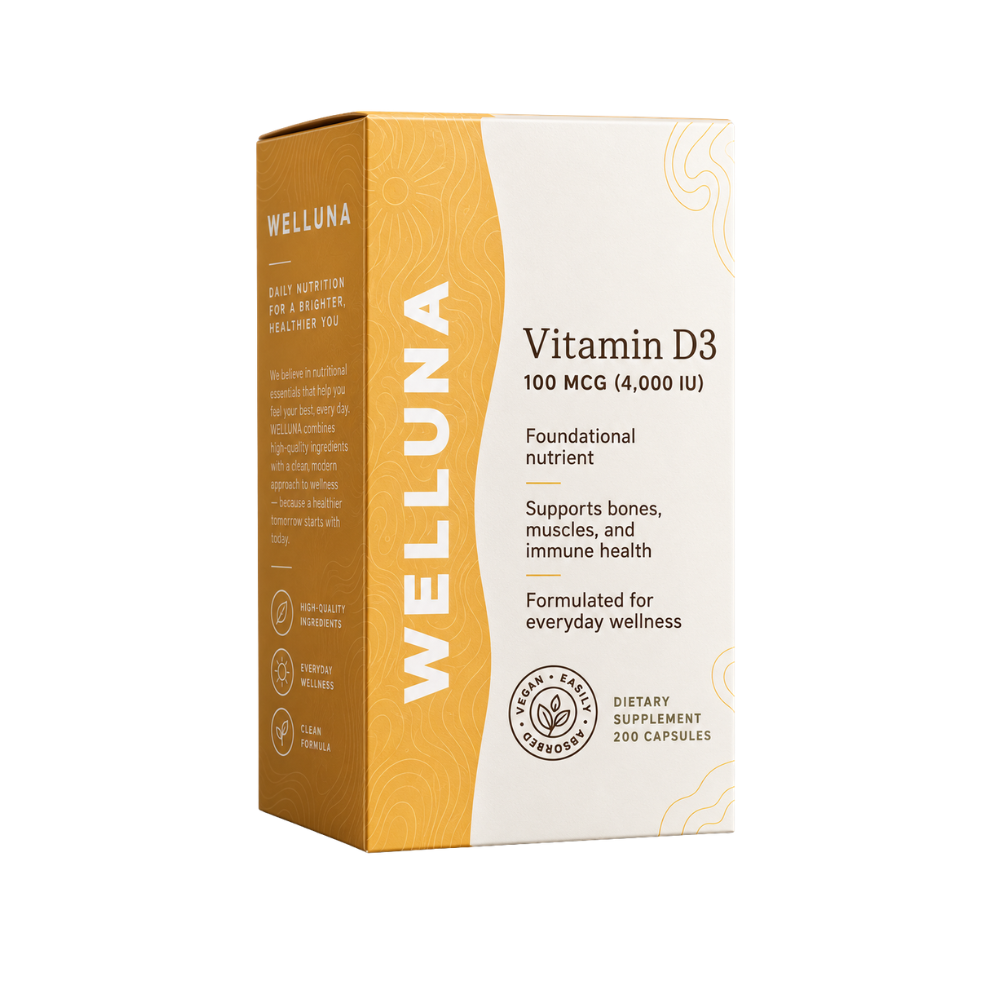
A single-unit carton holds one bottle or jar and is built mainly for presentation and protection. It gives a capsule, tablet, or gummy bottle a larger, more polished face on shelf and more room for information than a wraparound label provides. This style is a strong fit for premium supplements, gift-worthy products, and anything sitting next to a lot of similar-looking bottles.
Multi-count cartons for stick packs and sachets
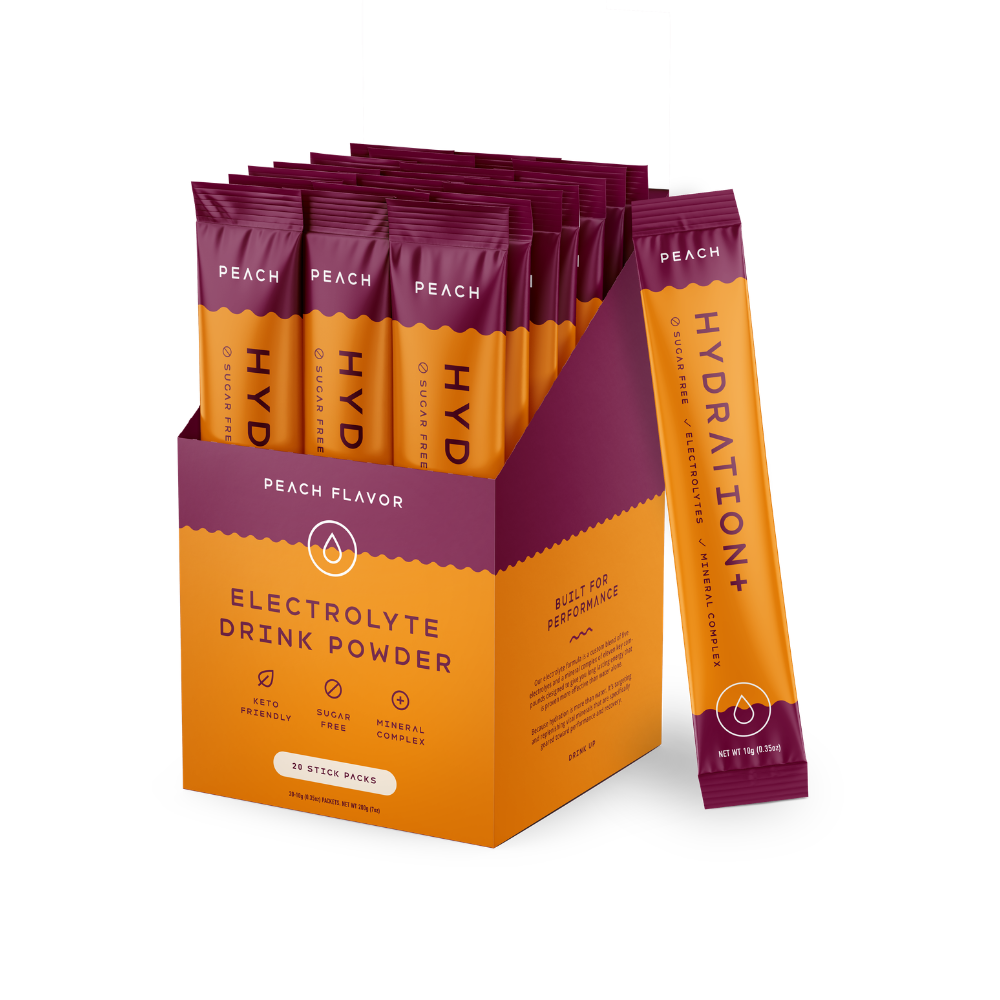
A multi-count carton groups individual servings into one purchase, such as a 10-count, 14-count, or 30-count box. It’s the most common way to bring stick packs and sachets to retail, because it turns a handful of small, floppy singles into something that stands upright and stacks neatly. Inside, the carton can be sized so the packs stay in order instead of sliding around.
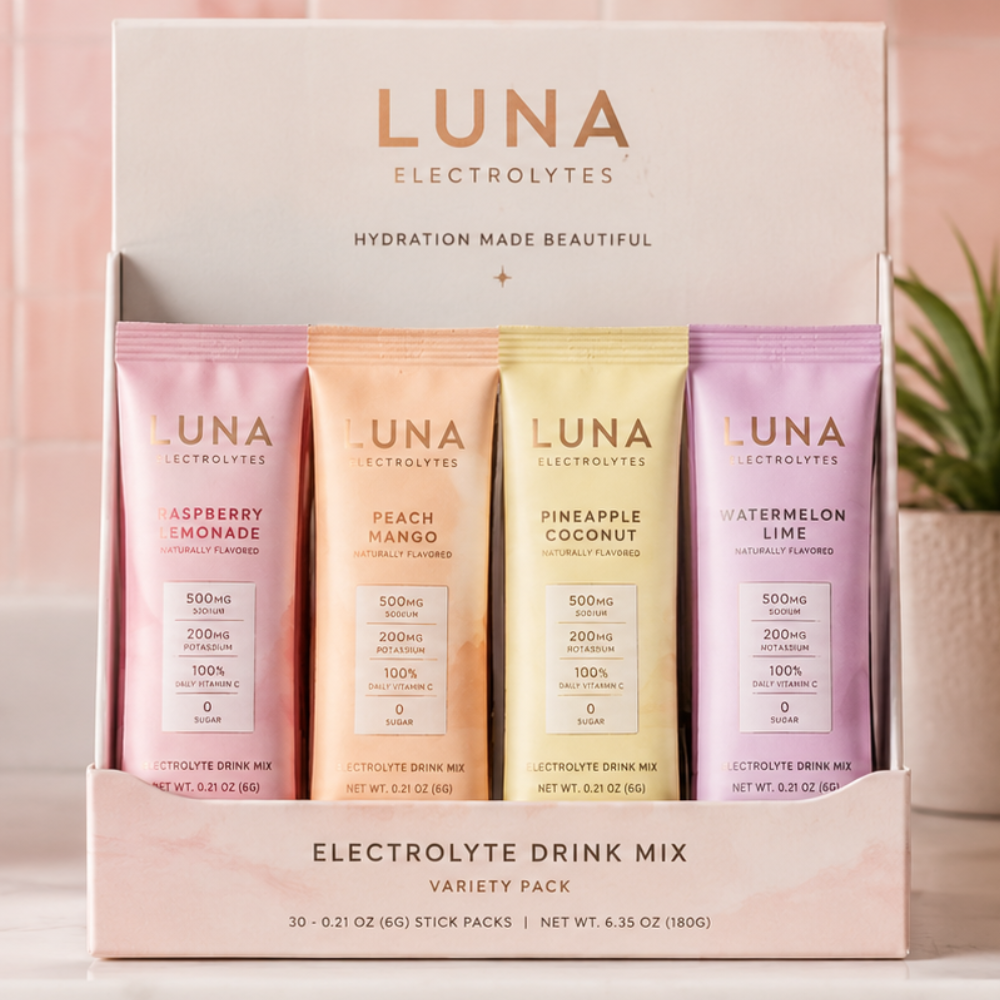
Countertop display cartons
A display carton is built to open into its own merchandiser. A perforated top or front panel tears away, and the carton becomes a small tray that sits on a counter or shelf with the product facing out. This is the format you see near the register at convenience stores and gas stations, where individual stick packs are sold one at a time. If you’re selling singles at checkout, this style lets your carton act as your display without a separate fixture.
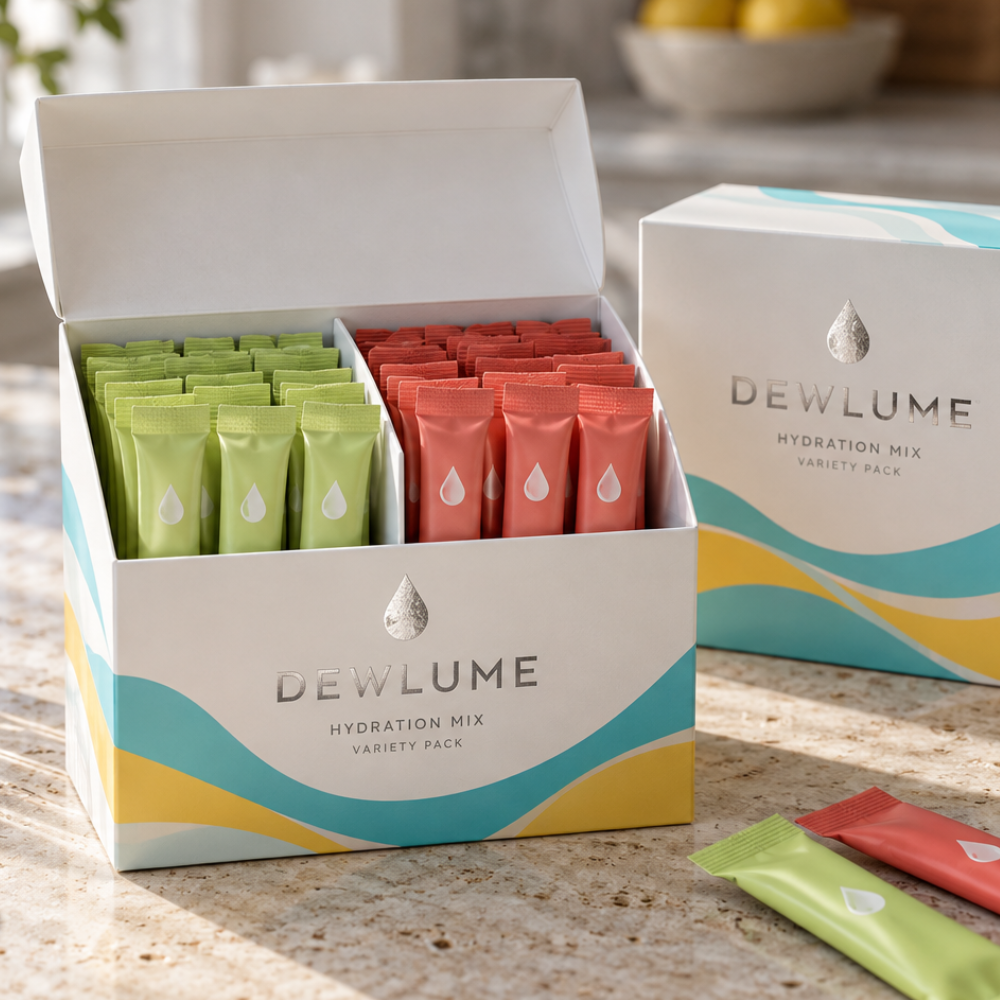
Variety and multi-flavor cartons
When one carton holds more than one flavor or formula, partitions inside the carton keep each one in its own section. A hydration brand selling a variety box that’s half lemon-lime and half fruit punch can use a divider that keeps the two sides separate, so the box looks organized when the customer opens it and they can find the flavor they want. Belmark is producing cartons with this kind of built-in partition for nutraceutical brands right now.
Most brands with a growing lineup end up using more than one of these. Your hero bottle might live in a single-unit carton while your stick pack line rides in a countertop display, and that’s normal. The goal is to match each SKU to the carton that fits how it sells.
| Carton Style | Best Fit | What It Does Best | Where It’s Usually Sold | |
|---|---|---|---|---|
 |
Single-unit carton | Supplement bottles and jars | Elevates the product and adds space for information | Retail shelves, pharmacies, specialty stores |
 |
Multi-count carton | Stick packs and sachets | Turns single servings into one sellable unit | Grocery, mass retail, club stores |
 |
Countertop display carton | Single-serve stick packs sold individually | Opens into its own display at checkout | Convenience stores, gas stations, checkout lanes |
 |
Variety carton with partitions | Multi-flavor or multi-formula packs | Keeps flavors separated and organized | Retail and direct-to-consumer bundles |
Built-in features that make a carton work harder
Once you’ve chosen a style, a few built-in features can make the carton do more for you. Many of them come down to how the carton is folded and glued, so they’re worth bringing up early in the conversation.
Partitions and dividers keep flavors, formulas, or counts separate inside one carton.
Space fillers and inner structures take up the empty air that small items like stick packs can leave behind. That keeps the product from shifting during shipping and helps protect it from damage, so the box that reaches the shelf looks the same as the one you approved.
Opening and display features, like tear-away panels and perforated fronts, let the carton turn into a display once it reaches the store.
Windows let shoppers see the actual product, which can help when the primary package itself is part of your brand.
Every one of these should earn its place. A good packaging supplier will ask how the carton is filled, how it ships, and where it ends up before recommending a feature, because the right answer depends on your product and the shelf it’s going to.
Elevating the carton without overcomplicating it
Nutraceutical shoppers often decide in a few seconds whether a product feels trustworthy, and the finish on your carton plays a big role in that impression. The good news is that you don’t need a dozen effects to make a carton feel premium. You need the right one or two for your brand.
One approach we use often for nutraceutical cartons is printing on metallized board instead of adding foil. The metallic surface is part of the paperboard itself, and we print over it to control where the shine shows up and what color it takes on. A silver board can be printed to look gold. White can be laid down anywhere you don’t want shine, so a metallic element can sit right next to a clean, matte-looking panel.
A carton we produce for one supplement brand shows how far that can go. The carton is mostly white, with a silver logo on the front and a metallic blue band across the top. All of it comes from the same metallized board, with different levels of ink creating each effect. The result looks layered and premium without adding any extra production steps.
Beyond metallics, we can match the finishes you’re already using on your other packaging, so a soft, matte, or glossy look on your pouch carries over to your carton. If you’re not sure which finish fits your product, that’s exactly the kind of thing we’ll help you sort out.
Metallized board has another advantage, and it’s one more brands are starting to pay attention to.
Why folding cartons help your sustainability story
Folding cartons are made from paper-based fiber, which is widely recyclable and already has an established infrastructure for collecting and reusing it. For nutraceutical brands, that makes the carton an easy place to strengthen the sustainability story of a product.
A few points make this especially relevant right now.
The metallized board we use doesn’t contain plastic. You get the metallic look without adding plastic to the carton, which is a meaningful difference as plastic reduction becomes a bigger focus for retailers and regulators.
Extended producer responsibility (EPR) laws are expanding. A growing number of states now require brands to pay fees based on the packaging they put into the market, and those programs generally treat paper-based packaging more favorably than plastic. Because cartons are paper-based, they’re well positioned as those requirements roll out.
A carton can raise your overall recyclable percentage. Many brands measure sustainability across the full package, not just the primary container. Adding a recyclable paperboard carton to a product increases the share of that product’s total packaging that’s recyclable, and some nutraceutical brands have found that to be a significant improvement.
Brands are also asking more about recycled content, including post-consumer and post-industrial recycled fiber in the board itself. Belmark offers sustainable options across pressure sensitive labels, flexible packaging, and folding cartons, and the right choice depends on what you’re trying to achieve, whether that’s recyclability, recycled content, or both. If sustainability goals are shaping your packaging decisions, talk with a packaging supplier about which options fit your line.
Keeping your carton and your primary package in the same family
Most nutraceutical cartons hold something else Belmark could also be making: a labeled bottle, a pouch, or a roll of stick pack film. When the carton and what’s inside come from different suppliers, keeping the colors consistent across both is harder than most brands expect.
Belmark produces pressure sensitive labels, flexible packaging, and folding cartons, and our color teams work together across all three. When you tell us your film and carton items belong to the same product family, we can match the color profile and finishes between them. If you’re launching 15 new stick pack SKUs and 15 cartons to go with them, your brand looks the same on the pack in someone’s hand and on the box at the checkout counter. That consistency matters for how shoppers recognize you, and it matters even more for how much they trust you.
It’s also why we work well with brands that are still figuring out their lineup. If you have a lot of SKUs and you aren’t sure yet what you’ll need six months from now, you need packaging that can move as fast as your product does. Belmark has no order minimums on folding cartons, so you can bring a new SKU to market without committing to volume you haven’t proven yet. We run on standard materials that keep production moving, and our speed-to-market gets new products onto the shelf while the opportunity is still there. As your orders grow, we grow with you, until your forecasts settle and you know exactly what to order.
Frequently asked questions
Where Belmark fits
Finding the right carton style starts with your product and where it’s sold. A bottle, a stick pack, and a protein bar can each call for a different carton, and many nutraceutical brands use several styles across one line.
Belmark manufactures pressure sensitive labels, flexible packaging, and folding cartons, so we can help you plan the carton and the package inside it together, with colors and finishes that stay consistent across both. We don’t hold you to an order minimum, and our speed-to-market keeps new SKUs moving from approved artwork to the shelf. If you’re still sizing a carton around your product, we cover how that works in what a dieline is and why your printer asks for one.
Call us when you’re deciding how a new SKU will hit the shelf. We’ll talk through how it’s being sold, help you choose a carton style that fits, and stay with you from there through every reorder and every new product after that.
Share This Story, Choose Your Platform!
Ready to get started?
Ready to get started?
Call 920.280.1282 or fill out this form and you’ll be in touch with a packaging expert in under 24 hours.
Call 920.280.1282 or fill out this form and you’ll be in touch with a packaging expert in under 24 hours.