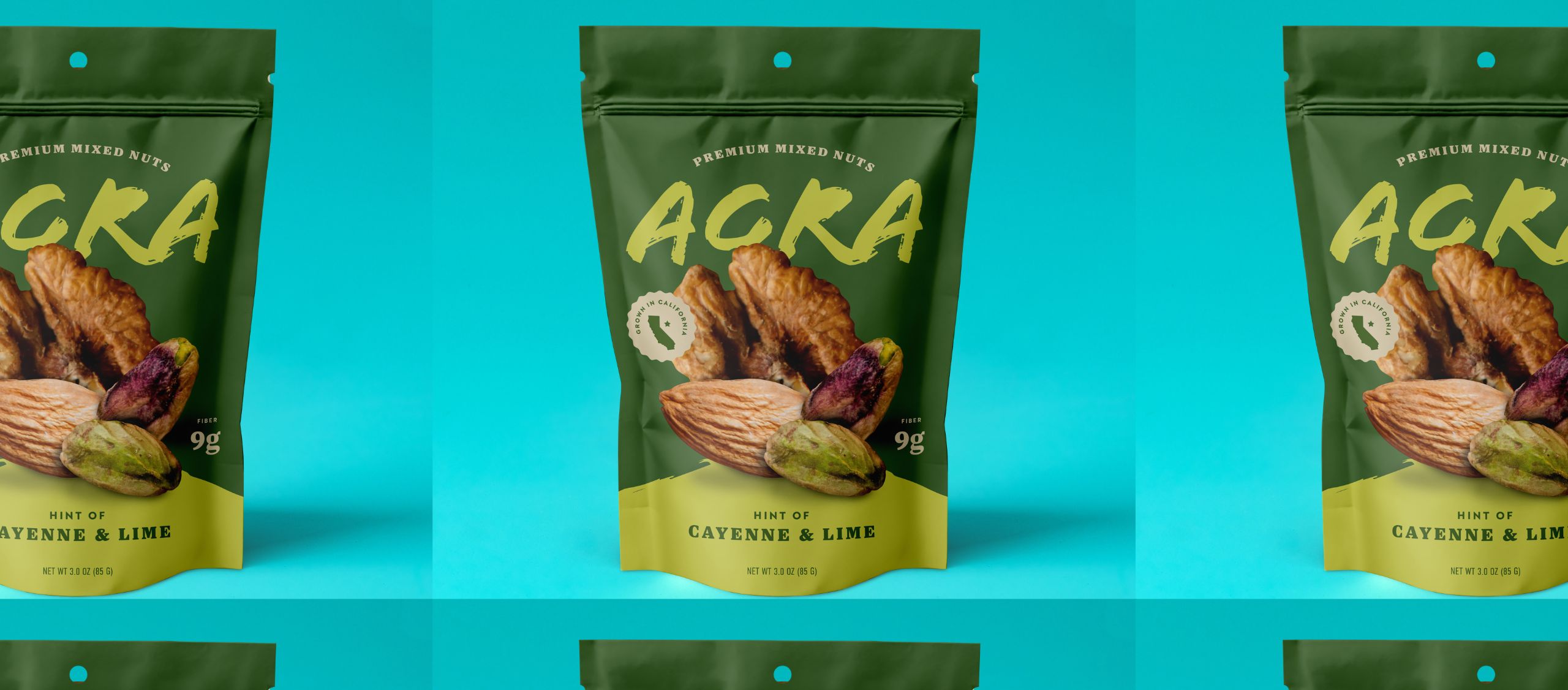
The c-store shopping environment is like no other. Limited shelf space, fast-moving foot traffic, short visits (less than 10 minutes for most), and shoppers looking to satisfy very specific craving moments. With all these variables at play, it’s no wonder convenience store buyers bring such a critical eye to their purchasing decisions. It’s not just the product itself that has to stand up to scrutiny, but the packaging as well. When it comes to earning a long-term spot on the shelf, it’s often the latter that makes the biggest difference.
If you’ve been told your product is a good fit for the convenience store, but your focus has been moving units at farmers markets, traditional grocery stores, or through direct-to-consumer channels, now is the right time to figure out how your packaging can meet the demands of these environments and the buyers who stock them.
6 key evaluation criteria for convenience store snack packaging.
So what does it take to impress discerning decision makers in this market? A series of thoughtful packaging decisions made through the lens of the busy, on-the-go c-store shopper.
1. Portable formats.
Formats that slip into the car door compartments, fit in a cup holder, or are portioned to match how the product is actually used. A single-serve pack designed for one-handed snacking or a flat bottom pouch with a Pour and Lok spout that easily passes between driver and co-pilot signals you’re not just thinking about how craveable your product is but the whole snacking experience. It’s these details that drive repeat purchase.
2. Easy open and resealability.
An extension of portability, openability and — for anything bigger than a single serving — resealability also shape the experience. Easy peel lidding films makes life easier (and safer) for solo travelers. Resealable pouches keep snacks fresh throughout the whole roadtrip or on every day of the commute.
3. Shelf presence.
It’s hard to control how your product is going to show up on the tight, high-traffic shelves of the c-store, but the right packaging strategy can give you an edge. Flat bottom and box-style pouches hold their ground even after a few shoppers have rummaged the shelf. Folding cartons that open to display single-serve pouches claim your space while making it easy for shoppers to grab and go. As you work through the structure of your snack packaging, take a walk through the store and think about how it will hold up next to others on the shelf.
4. Long-distance sales pitch.
Twenty percent of c-store shoppers make impulse purchases, 39% of those consumers do so because the product looked appetizing. Your package has to communicate flavor, format, and brand from distance, in a crowded set, before the shopper has slowed down. Clean hierarchy, high-contrast color, and flavor cues that read at arm’s length do a lot of the heavy lifting.
5. A brand they recognize.
The majority of c-store snack shoppers tend to shop what they know. When familiar cravings hit on the road, they often reach for the same salty, savory, sweet snacks they stock in their home pantry. In this way brand recognition is a critical part of driving sales that go on to drive re-orders. Consistency is how you capture those sales. Brand palette, premium finishes, and structures should mirror those your consumers already know and trust.
6. Quality outside and in.
A package travels a long way before a shopper sees it on their pit stop. It gets cased, shipped, jostled, unpacked, and stocked, and it still has to look polished and maintain freshness at the point of sale. Scuffed film, crushed corners, smeared print, or broken seals can undermine your sales and brand.
Consider the bigger business picture.
While the criteria above go a long way toward connecting with both convenience store buyers and shoppers, there are other factors to consider. The packaging you choose for convenience is also a business decision for your brand. One that ripples out to where you show up, how you grow, and the brand promises you keep.
Does the format fit the channel?
A product that lives in a folding carton on a grocery shelf may need to shift to the smaller footprint of a standup pouch, hang on a peg, or ride a clip strip. Large bags that move quickly at a club store have to shrink way down to a single-serve format a shopper can grab and finish on the go. Neither move is a downgrade. It’s translating the same brand to meet the demands of different environments.
Will it scale?
Most brands enter the convenience store space through a regional test, one chain or one market, and watch the turns. Packaging that works at that scale has to be producible in smaller runs without locking you into inventory you may not need as you learn more about how different formats, flavors, etc. perform in the c-store. Having a conversation with your packaging supplier about the long-term goals of your c-store strategy can ensure a smooth transition from regional test to nationwide distribution.
Does it pay off sustainability promises?
If sustainability is part of your brand values, corporate goals, or buyer requirements, your packaging needs to deliver. And it doesn’t have to mean trading off on performance or timeline. Tru-IMPACT® brings responsibly sourced materials and post-consumer recycled (PCR) content, while eco-READY™ offers recyclable options. Both of these sustainable materials can be leveraged across the formats you need to show up well on c-store shelves.
A low-stress first step
All these factors may seem to add up to a lot of complicated decisions, but you don’t need to walk into the process with all the answers. The most useful packaging conversations begin with the channel and the product, and the decisions flow from there. Your first move is to simply reach out to a partner who has experience navigating the c-store buyer and shelf. They’ll help make sure your packaging delivers for both your consumers and the c-store buyers who stock your product.
Share This Story, Choose Your Platform!
Ready to get started?
Ready to get started?
Call 920.280.1282 or fill out this form and you’ll be in touch with a packaging expert in under 24 hours.
Call 920.280.1282 or fill out this form and you’ll be in touch with a packaging expert in under 24 hours.